For tanker operators, the way vessels are vetted changed fundamentally in 2024. SIRE 2.0 – the latest version of OCIMF’s Ship Inspection Report Programme – replaced the long-standing VIQ7 questionnaire and became the industry’s standard tanker inspection tool. It is not a minor update. It is a different way of inspecting ships, and it demands a different way of preparing crews.
This article explains what SIRE 2.0 is, how it differs from the old system, and why crew competence now matters more than ever.
What is SIRE 2.0?
SIRE stands for the Ship Inspection Report Programme, run by the Oil Companies International Marine Forum (OCIMF). It is the vetting system that charterers and terminals use to assess whether a tanker is safe and well-operated before doing business with it.
SIRE was first introduced in 1993. SIRE 2.0 went live on 2 September 2024, permanently retiring the previous VIQ7 questionnaire and becoming OCIMF’s only tanker inspection tool. It is a digitalised, risk-based programme designed to give a far more accurate, continuous picture of a vessel – and its crew.
How SIRE 2.0 is different from VIQ7
The old VIQ7 was essentially a fixed questionnaire with predictable questions and largely binary yes/no answers. Crews could, and often did, rehearse the answers. SIRE 2.0 changes the game in several important ways:
- Bespoke inspections. Instead of one standard questionnaire, an algorithm generates a Compiled Vessel Inspection Questionnaire (CVIQ) tailored to each vessel’s risk profile. No two inspections are identical.
- Tablet-based and digital. Inspectors work from a tablet, capturing photographic evidence, timestamps and real-time observations that become part of a permanent digital record.
- Graded responses. Answers are no longer simply yes/no. Each is graded on a four-tier scale, from “Exceeds Expectations” down to “Not as Expected.”
- Three dimensions. Every question is assessed across Hardware, Processes and Human Factors – the physical equipment, the procedures, and the people operating them.
- Focus on human factors. Crew performance is evaluated against a set of Performance Influencing Factors, putting genuine competence at the centre of the inspection.
Why crew competence is now central
The single biggest shift for seafarers is this: you can no longer rely on memorised answers. Because each CVIQ is unique and inspectors observe crew in action, every officer and rating must be able to demonstrate real, working knowledge of their duties, the vessel’s equipment and its procedures.
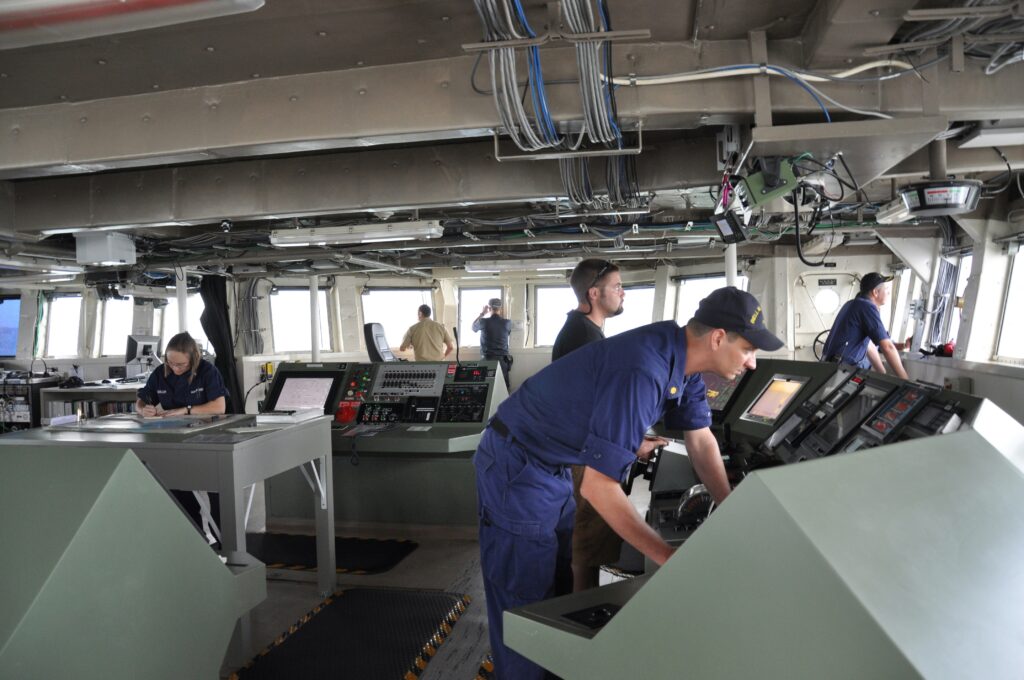
In practice, that means a crew member may be asked to show – not just state – how they carry out a task, and the inspector records what they observe. Preparation is no longer about rehearsing a script; it’s about building competence that holds up under direct observation.
How tanker crews can prepare for SIRE 2.0
Preparing for SIRE 2.0 is an ongoing process rather than a last-minute exercise. Effective preparation generally focuses on:
- Familiarity with the Question Library so crews understand the full scope of what may be assessed.
- Understanding the three dimensions – being able to show that hardware is maintained, procedures are followed as written, and each person can articulate their role.
- Practising under observation, so crew are comfortable performing tasks while being watched and recorded.
- Closing the loop on findings, with a clear process for corrective action when an observation is raised.
- Strengthening onboard safety culture, since human factors now carry real weight in the outcome.
Structured training and briefing sessions help crews move from anxiety about the new system to genuine confidence in it.
Staying ahead of the change
SIRE 2.0 rewards vessels and crews that operate well every day, not just those that prepare intensely before an inspection. For tanker operators and seafarers who want to understand the regime and build the competence it demands, targeted training is a sensible investment.
GMC Maritime is a simulator-based maritime training centre in Navi Mumbai. If you’d like to discuss training and briefing options around SIRE 2.0 readiness for your crew, get in touch through our enquiry form.
Frequently asked questions
When did SIRE 2.0 come into effect? SIRE 2.0 went live on 2 September 2024, permanently replacing the VIQ7 questionnaire as OCIMF’s standard tanker inspection tool.
What is a CVIQ? The Compiled Vessel Inspection Questionnaire is the bespoke, algorithm-generated set of questions created for each individual inspection based on the vessel’s risk profile – so no two inspections are the same.
What are the three dimensions assessed in SIRE 2.0? Each question is assessed across Hardware, Processes and Human Factors – the equipment, the procedures, and the people.
Why can’t crews just memorise answers anymore? Because each CVIQ is unique and inspectors observe and record crew performing tasks in real time, seafarers must demonstrate genuine competence rather than rehearsed responses.
How to Enrol
- Visit our course page: Sire 2.0 – GMC Maritime
- Fill in the enquiry form
- Our team will contact you within 24 hours
Contact GMC Maritime:
- 📞 +91-9136319685
- 📧 courses@gmcmaritime.com
- 📍 CBD Belapur, Navi Mumbai – 400614