On a ship, a single case of food poisoning is never just one person’s problem. A crew is a small, closed community living and working in close quarters, often days from the nearest port. When food isn’t handled safely, illness can spread quickly – and a fatigued, sick crew is a serious safety risk. That is why a Food and Hygiene course is far more important than it might first appear.
Why food safety is a safety issue, not just a comfort issue
Good nutrition and safe food keep a crew healthy, alert and able to do their jobs. Poorly handled food does the opposite. An outbreak of foodborne illness on board can:
- Leave key crew members unable to stand watch
- Compromise the vessel’s ability to operate safely
- Be extremely difficult to manage far from medical support
- Affect morale and wellbeing on long voyages
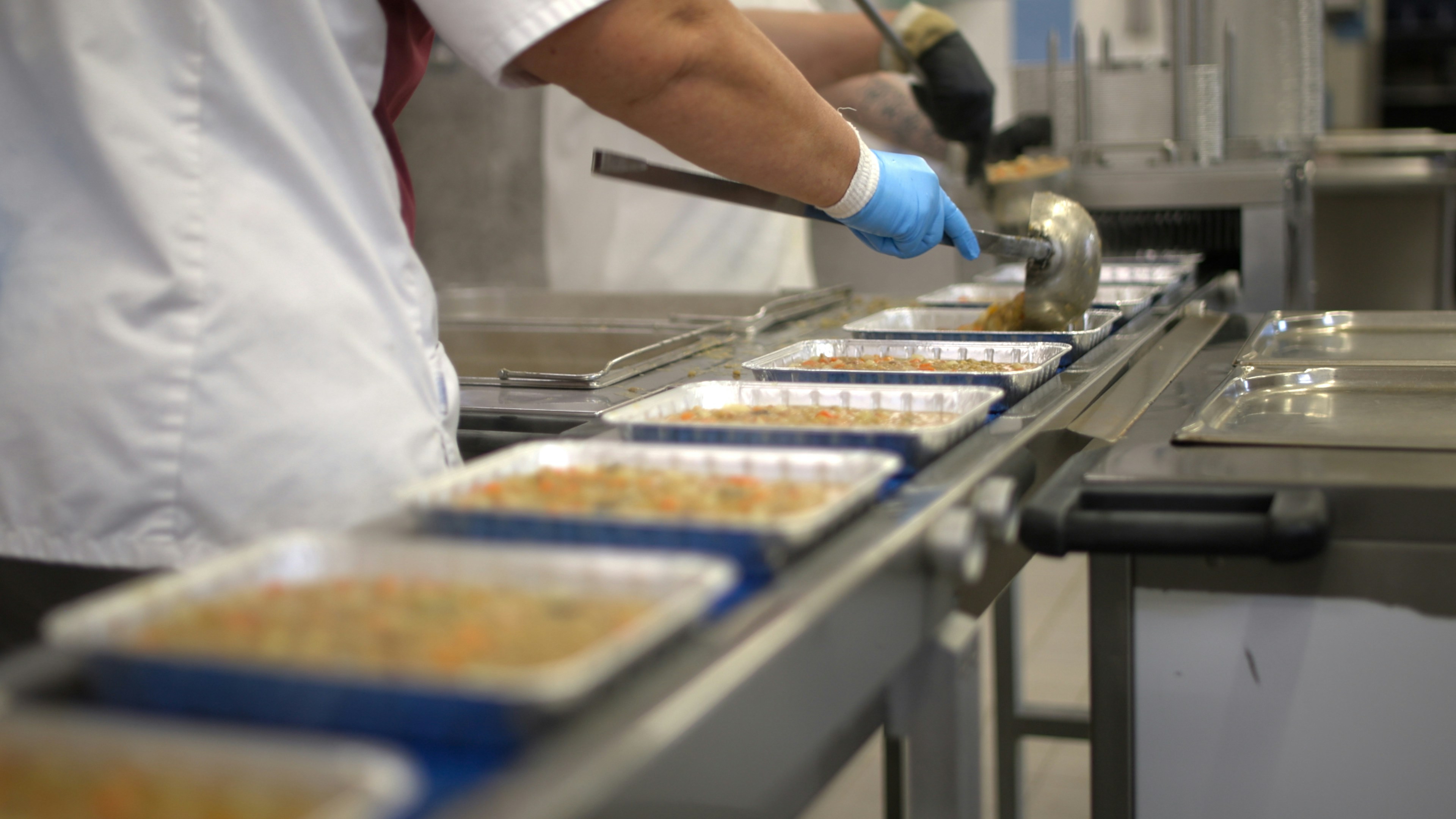
The galley is also a genuine physical hazard zone – hot surfaces, sharp tools, moving decks and confined space – so safe working practices matter as much as food handling itself.
The regulatory background
Food safety at sea is recognised in international regulation. Under the Maritime Labour Convention (MLC 2006), seafarers are entitled to good-quality food and drinking water, and those responsible for preparing food are expected to be properly trained. Many flag states and national administrations set their own specific requirements for ships’ cooks and catering staff, reflecting how seriously the industry treats food and hygiene.
For anyone building a career in the galley – or supervising it – proper food and hygiene training is a professional foundation.
What does a Food and Hygiene course cover?
While the exact syllabus varies, a well-structured Food and Hygiene course generally addresses:
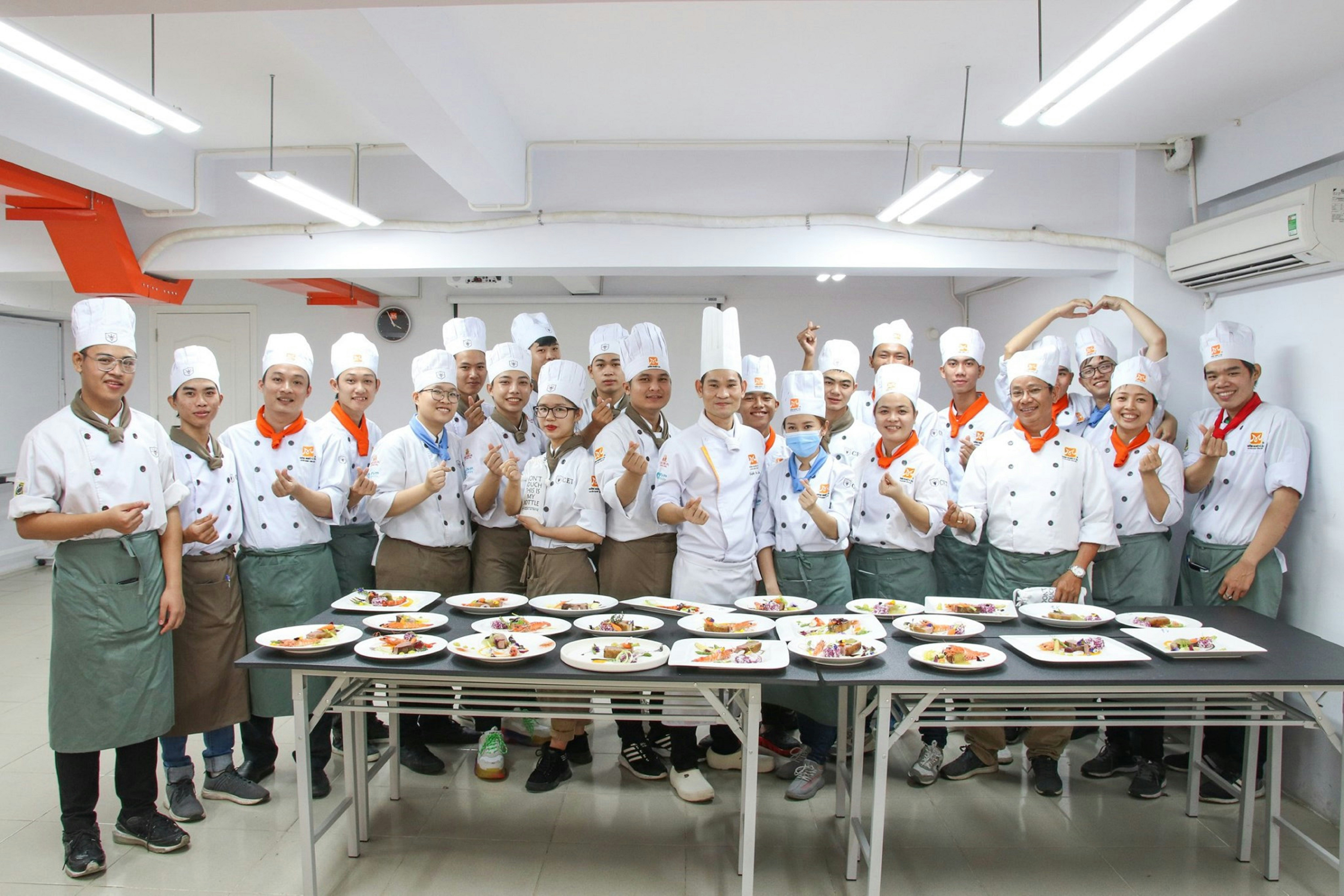
- Personal hygiene – the role of the food handler in preventing contamination
- Food contamination – the biological, chemical and physical hazards to guard against
- Safe food storage – temperature control, separating raw and cooked food, and stock rotation
- HACCP principles – a structured approach to identifying and controlling food-safety hazards
- Cleaning and sanitation of galley, stores and equipment
- Pest control on board
- Galley safety – safe use of equipment, fire prevention and working safely on a moving vessel
- Waste management and safe disposal
Together, these topics turn food safety from guesswork into a system that protects the whole crew.
Who should take a Food and Hygiene course?
The course is essential for ships’ cooks and catering staff, who carry primary responsibility for food on board. It’s also valuable for:
- Stewards and galley assistants
- Officers responsible for catering standards and crew welfare
- Anyone involved in the receipt, storage or preparation of food at sea
Even crew who don’t cook benefit from understanding the basics of hygiene in a shared living environment.
Building a healthier, safer ship
Investing in food and hygiene training pays off in a healthier, more resilient crew and a lower risk of a preventable outbreak sidelining the ship. For seafarers looking to formalise these skills, structured training is the right starting point.
GMC Maritime is a simulator-based maritime training centre in Navi Mumbai, ISO 9001:2015 certified. If you’d like to know more about food and hygiene training options, reach out through our enquiry form and we’ll be happy to help.
Frequently asked questions
Why is food hygiene so important on ships? Because a crew lives and works in close quarters far from medical help, a foodborne illness outbreak can spread fast, sideline key crew and compromise the ship’s safe operation.
What does a Food and Hygiene course teach? It covers personal hygiene, food contamination hazards, safe storage and temperature control, HACCP principles, cleaning and sanitation, pest control and galley safety.
Who needs food and hygiene training at sea? Primarily ships’ cooks and catering staff, but also stewards, galley assistants and officers responsible for catering and crew welfare.
What is HACCP? Hazard Analysis and Critical Control Points – a structured, preventive system for identifying and controlling food-safety hazards at each stage of food handling.
How to Enrol
- Visit our course page: Food & Hygienec Course – GMC Maritime
- Fill in the enquiry form
- Our team will contact you within 24 hours
Contact GMC Maritime:
- 📞 +91-9136319685
- 📧 courses@gmcmaritime.com
- 📍 CBD Belapur, Navi Mumbai – 400614